Knitting Basics · KnitAddict Journal
Knitting for Beginners: Getting Started
Your first steps into the world of knitting — from choosing the right tools to mastering your first stitches.
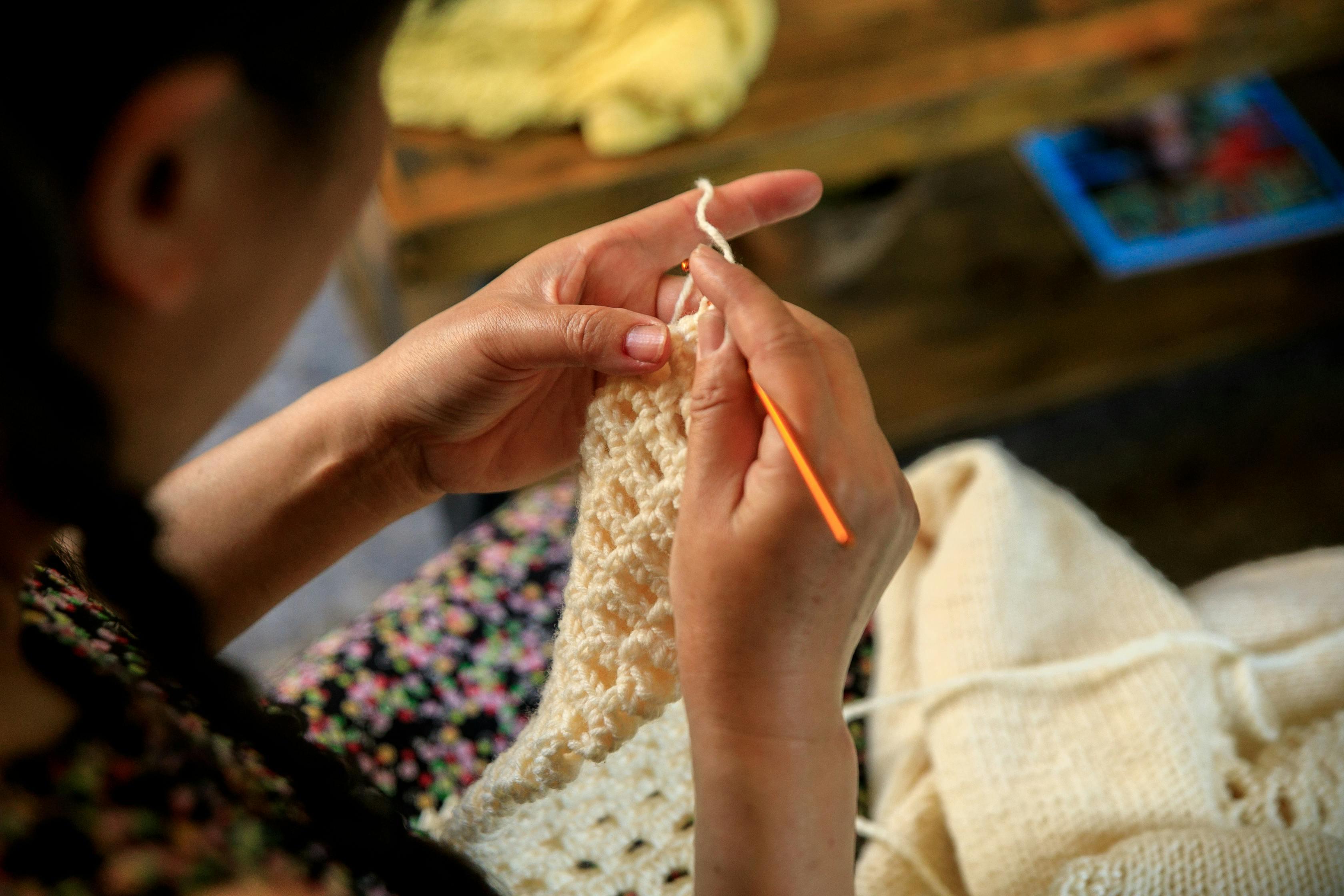
Knitting is one of the most calming and rewarding crafts you can learn. With just two needles and a ball of yarn, you can create soft scarves, cozy sweaters, warm beanies, and sentimental handmade gifts. If you’ve always wanted to try knitting but didn’t know where to begin, this guide will walk you through everything you need to get started — simply, gently, and confidently.
1. Choose Your First Tools
Knitting doesn’t require much equipment, but the tools you choose can make your first experience smoother.
Yarn
Beginners should start with a medium-weight yarn (Worsted or Category 4). It’s easy to see your stitches, easy to hold, and works well with most beginner patterns.
Great beginner choice: cotton blends or soft acrylics.
Needles
Look for 5 mm to 6 mm needles — a comfortable size for beginners.
- Bamboo or wooden needles have more grip, great for control.
- Metal needles are fast and smooth but can be slippery at first.
Straight needles are classic, but many beginners prefer circular needles because they’re lighter and easier to hold.
2. Learn the Two Essential Stitches
Almost every knitting pattern is built from two basic stitches:
Knit Stitch
The foundation of knitting — produces a smooth, V-shaped texture. It's beginner-friendly and rhythmic once you get the hang of it.
Purl Stitch
The companion to knit. Purls create a bumpy texture and allow you to form ribbing, seed stitch, and more patterns.
Mastering these two stitches gives you access to hundreds of beginner patterns — scarves, dishcloths, blankets, even sweaters.
“If you can knit and purl, you can make almost anything.”
3. Practice with Simple Patterns
Start with small, quick projects so you can practice tension and stitch consistency.
- Garter stitch scarf: only knit stitches
- Dishcloth: small, forgiving, and very satisfying
- Beginner beanie: knit flat or in the round
- Headbands: perfect for practicing ribbing
Each finished piece builds confidence — and becomes a little celebration of your progress.
4. Understand Gauge (Gently!)
Gauge simply means how many stitches and rows fit into a measured square of your knitting. It affects the size of your finished project.
Don’t stress too much at the beginning — but do try matching the recommended needle size and yarn weight to avoid surprises.
5. Take It Slow and Enjoy the Process
Knitting is supposed to feel peaceful. Your hands might feel stiff at first, your tension may waver, and your edges might look wiggly — all completely normal.
With time, everything becomes smoother:
- Your stitches even out.
- Your hands move intuitively.
- You read patterns with confidence.
- Your yarn becomes an extension of your creativity.
Final Thoughts
Knitting is a journey — warm, relaxing, and deeply rewarding. With the right tools, a few simple stitches, and a little patience, you can create beautiful pieces that last a lifetime.
Pick up your needles, breathe deeply, and enjoy the magic of handmade crafting. Every stitch is a beginning.
Enjoyed this read?
Get more cozy stories, care guides, and behind–the–scenes notes straight to your inbox.
Join the newsletter